
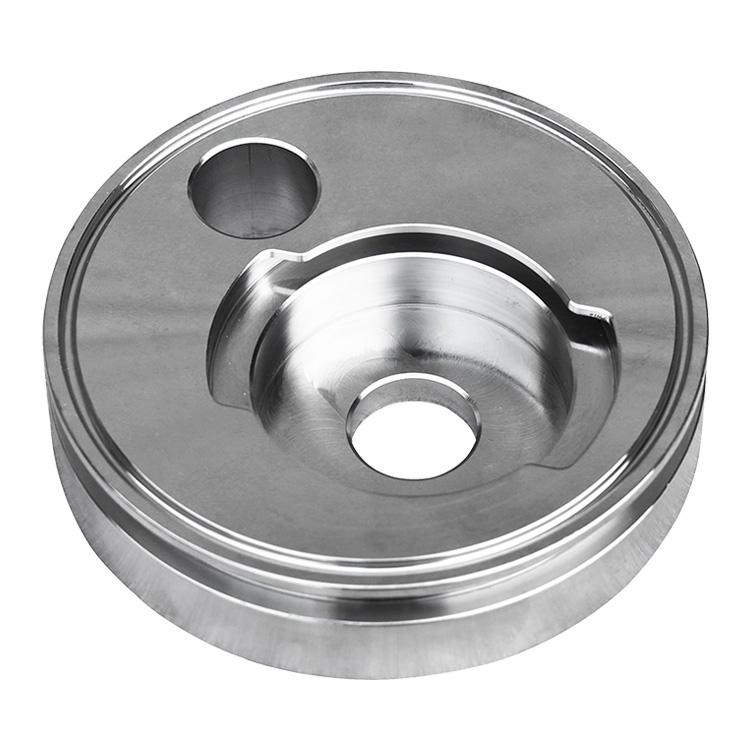
A high strength neck flange for industrial pipe connections is a critical component used in
demanding piping systems where mechanical reliability, pressure resistance, and long-term sealing performance
are essential. In industrial environments, flange selection directly affects system integrity, maintenance
efficiency, and operational safety. For this reason, high strength neck flanges are widely used in
oil and gas, petrochemical processing, power generation, offshore engineering, water treatment, heavy
manufacturing, and high-pressure fluid transfer applications.
This article provides a comprehensive, SEO-friendly overview of the topic, including definitions, structural
features, advantages, common specifications, material options, size standards, application scenarios, and
selection guidance. The content is written in pure English and formatted for direct use on blog pages,
category pages, industrial product pages, and technical landing pages.
A high strength neck flange is a type of pipe flange designed with a tapered hub, also known as a neck,
which gradually transfers stress from the flange face to the pipe wall. This structural design helps reduce
localized stress concentration and improves performance under high pressure, high temperature, vibration,
and cyclic loading conditions. When used in industrial pipe connections, the neck flange provides a stronger
and more stable joint than many alternative flange types.
The term high strength generally refers to the flange’s ability to withstand demanding
service conditions, not only in terms of material tensile strength but also in terms of structural geometry,
load-bearing capability, and sealing reliability. In practical use, high strength neck flanges are often
selected where standard flanges may not provide sufficient endurance, especially in critical process lines
and pressure-intensive systems.
In most cases, this type of flange is manufactured to recognized industrial standards such as ANSI, ASME,
DIN, EN, BS, JIS, and other regional specifications. The exact design may vary by standard, but the core
principle remains the same: a welded neck structure designed for high-performance pipe connection.
Industrial piping systems operate under complex conditions. Pressure changes, temperature fluctuations,
vibration from machinery, corrosive media, and repeated service cycles can all affect joint performance.
A high strength neck flange helps solve these challenges by improving load distribution and reducing the risk
of leakage, deformation, and connection failure.
In a typical flange connection, the flange must not only hold the pipe together but also maintain a stable
seal at the gasket interface. If the connection is weak, the system may experience flange rotation,
bolt load loss, gasket blowout, or pipe-end cracking. The neck flange design supports the pipe more effectively
than flat flange structures, making it a preferred solution for heavy-duty applications.
For operators and engineers, choosing a high strength neck flange can improve safety, reduce maintenance
frequency, extend service life, and support compliance with industrial reliability requirements. This is
especially important in plants where shutdown time is expensive and process continuity is essential.
High strength neck flanges are defined by several structural features that contribute to their overall
performance. These features make the flange suitable for high-pressure and high-stress industrial systems.
These features work together to produce a flange connection that is stable under demanding conditions. The
neck portion is especially important because it minimizes abrupt changes in stiffness, which helps prevent
failure at the welded joint.
There are many reasons why industrial users choose high strength neck flanges for pipe connection systems.
Below are the most important advantages.
| Advantage | Description |
|---|---|
| High load-bearing capacity | Supports heavy mechanical loads, internal pressure, and thermal stress more effectively than many other flange types. |
| Improved stress distribution | The tapered neck reduces stress concentration at the pipe-to-flange transition. |
| Excellent sealing performance | Stable face alignment helps maintain gasket compression and reduce leakage risk. |
| Long service life | Durable construction and strong weld integration help extend operational lifespan. |
| Suitable for severe service | Performs well in high-pressure, high-temperature, vibration-prone, and corrosive environments. |
| Lower maintenance demand | Reliable connection integrity can reduce inspection frequency and unplanned shutdowns. |
| Broad standard compatibility | Available in multiple international standards and dimensions for global industrial use. |
In summary, the main value of a high strength neck flange is reliability. When the piping system is critical,
the flange becomes more than a connecting part; it becomes a safety and performance component.
High strength neck flanges are used across a wide range of industrial sectors. Their strong design and
dependable sealing ability make them suitable for many pipe connection environments.
| Industry | Typical Use Cases |
|---|---|
| Oil and gas | Pipeline systems, process equipment, refinery lines, offshore piping, high-pressure transfer systems |
| Petrochemical | Chemical transport, hydrocarbon processing, reaction systems, corrosive media handling |
| Power generation | Steam lines, boiler systems, turbine auxiliaries, cooling and heat exchange circuits |
| Water treatment | High-pressure water piping, pump stations, filtration systems, chemical dosing lines |
| Marine and offshore | Seawater systems, fuel lines, ballast systems, subsea support piping |
| Heavy manufacturing | Compressed air systems, hydraulic piping, process utilities, industrial fluid transport |
| Mining and metallurgy | Slurry pipelines, process water systems, high-wear transfer lines |
These industries depend on strong connection integrity because failure can lead to production loss, safety
hazards, environmental damage, and costly repairs.
Material selection is one of the most important factors in flange performance. A high strength neck flange can
be manufactured from a variety of metals depending on pressure rating, corrosion resistance, temperature
exposure, and project requirements.
| Material Type | Typical Properties | Common Applications |
|---|---|---|
| Carbon steel | Good strength, cost-effective, widely used in general industrial piping | Water, oil, gas, steam, structural process systems |
| Stainless steel | Excellent corrosion resistance, strong mechanical performance, clean surface finish | Food processing, chemical plants, marine systems, corrosive media lines |
| Alloy steel | Enhanced strength and heat resistance for severe service conditions | High-temperature systems, pressure vessels, power plants |
| Duplex stainless steel | High strength combined with improved resistance to pitting and chloride corrosion | Offshore, seawater, chemical, and aggressive environments |
| Nickel alloy | Outstanding corrosion and heat resistance for extreme service | Chemical processing, high-temperature and highly corrosive applications |
In many projects, the material choice must balance mechanical strength, corrosion resistance, weldability,
inspection requirements, and lifecycle cost. For industrial pipe connections, this balance is often more
important than price alone.
High strength neck flanges are generally manufactured according to recognized technical standards. These
standards help ensure interchangeability, dimensional accuracy, pressure class consistency, and proper
installation practice.
| Standard | Typical Use |
|---|---|
| ASME / ANSI | Widely used in North America and international industrial projects |
| DIN | Common in European engineering and machinery systems |
| EN | European standard for modern pipe and pressure applications |
| BS | British standard references for legacy and current industrial installations |
| JIS | Frequently used in Japanese and Asia-Pacific industrial systems |
| GB / Chinese standard | Used in domestic industrial manufacturing and infrastructure projects |
Each standard defines important characteristics such as bolt patterns, dimensions, facing types, pressure
ratings, and dimensional tolerances. Selecting the correct standard is essential for proper fit-up and
system compatibility.
High strength neck flanges are available in many sizes and pressure classes. The actual specification depends
on pipe diameter, wall thickness, service pressure, temperature, and the relevant design code.
| Specification Category | Typical Range |
|---|---|
| Nominal pipe size | From small-bore piping to large-diameter industrial pipelines |
| Pressure class | From low-pressure service to high-pressure classes such as Class 150, 300, 600, 900, 1500, and 2500 |
| Temperature range | Dependent on material selection and service conditions |
| Facing type | Raised face, flat face, ring type joint, and other engineered options |
| Connection type | Butt weld neck configuration for strong integration with the pipe |
In industrial procurement, it is important to verify not only the flange size but also the pressure rating,
face type, thickness, bolt circle, and material grade. Even small dimensional differences can affect
installation and sealing performance.
The following table provides a general reference example for common industrial pipe connection sizes. Actual
dimensions may vary by standard, pressure class, material, and design code. Always confirm technical drawings
before ordering or installation.
| Nominal Size | Outer Diameter | Bolt Holes | Typical Thickness Range | Typical Use |
|---|---|---|---|---|
| 1/2 inch - 1 inch | Compact flange body | 4 | Light to medium wall | Instrumentation, small process lines |
| 1.5 inch - 2 inch | Small to medium flange body | 4 to 8 | Standard industrial thickness | Utility piping, chemical transfer |
| 3 inch - 6 inch | Medium flange body | 8 | Medium to heavy thickness | General industrial and process lines |
| 8 inch - 12 inch | Large flange body | 8 to 12 | Heavy-duty thickness | Steam, oil, water, and transfer systems |
| 14 inch and above | Large diameter flange body | 12 or more | Heavy-duty and engineered thickness | High-volume industrial pipeline connections |
The neck design is the defining feature of this flange type. Unlike flat flange structures, a neck flange
includes a conical or tapered hub that distributes stress more evenly across the transition from flange to
pipe. This geometry is especially effective in welded systems because it helps manage the differences in
stiffness between the pipe and the flange body.
When pressure inside the piping system increases, forces act on the flange face, bolts, gasket, and welded
joint. The tapered neck helps reduce the stress concentration that would otherwise occur at a sudden
thickness change. As a result, the pipe connection is better able to handle mechanical fatigue, thermal
cycling, and repeated pressurization.
This structural advantage is one reason why high strength neck flanges are commonly selected for critical
service lines. They offer a more engineered load path, which improves both safety and long-term operational
stability.
A major reason to use a high strength neck flange for industrial pipe connections is improved sealing
reliability. Flange sealing depends on a combination of proper facing, correct bolt torque, gasket material,
surface finish, and stable alignment. Because neck flanges are rigid and structurally balanced, they help
maintain consistent gasket compression under load.
Leak prevention is especially important in chemical, steam, and hydrocarbon systems where escaping fluid can
create operational, environmental, or safety issues. A well-designed neck flange reduces movement at the joint
and supports more even compression across the sealing surface.
However, good sealing performance does not depend on the flange alone. It also requires proper installation
procedures, suitable gasket selection, correct bolt tightening sequence, and ongoing inspection.
Correct installation is essential to achieve the intended performance of a high strength neck flange. Even
a high-quality flange can fail to perform if it is misaligned, poorly welded, or incorrectly torqued.
Installation quality can have a major impact on service life. For this reason, technical discipline during
welding, assembly, and torqueing is as important as flange design itself.
High strength neck flanges used in industrial piping should be subject to appropriate inspection and quality
control procedures. These checks help ensure dimensional accuracy, material conformity, and surface integrity.
| Inspection Item | Purpose |
|---|---|
| Dimensional inspection | Confirms that flange measurements match standard requirements and project drawings |
| Material verification | Ensures the flange is made from the correct specified alloy or steel grade |
| Surface finish check | Confirms sealing face quality for proper gasket performance |
| Nondestructive testing | Identifies cracks, internal defects, or weld discontinuities where applicable |
| Pressure and load verification | Supports safe operation under intended service conditions |
In industrial environments, quality control is not optional. It is a necessary part of ensuring reliable
flange performance and preventing costly system failures.
Choosing the right high strength neck flange for industrial pipe connections requires a careful review of
service conditions and technical requirements. The best choice depends on pressure, temperature, fluid type,
pipe size, and connection standard.
chemicals, slurry, or another fluid.
operating conditions.
and bolt pattern.
performance.
pipe material.
requirements carefully.
In general, the best high strength neck flange is the one that provides the required mechanical performance
while fitting the system’s technical and regulatory needs.
Flange face design has a direct impact on sealing performance. High strength neck flanges may be supplied
with different face types depending on application requirements.
| Face Type | Description | Typical Use |
|---|---|---|
| Raised face | The sealing surface is slightly elevated to concentrate gasket load | General industrial piping |
| Flat face | The face is level for use with certain mating flange materials and low-stress joints | Specific low-pressure or cast iron systems |
| Ring type joint | Features a groove for metal ring sealing in high-pressure service | High-pressure oil, gas, and process applications |
| Special engineered face | Customized face profile designed for unique sealing requirements | Advanced industrial and custom systems |
Proper maintenance helps high strength neck flanges deliver long service life. Although the flange itself is
robust, regular monitoring is important in harsh industrial environments.
Routine maintenance can prevent minor issues from becoming major shutdown events. This is especially true in
high-temperature or high-pressure systems where joint integrity is essential.
The following phrases are commonly associated with this topic and can support SEO relevance when used
naturally in page content:
Using these phrases in headings, body text, tables, and metadata can improve topical relevance for search
engines. For best SEO performance, keep the language natural and informative rather than repetitive or forced.
The tapered neck design improves stress distribution and helps the flange handle higher loads, pressure, and
thermal cycling more effectively than simpler flange structures.
They are commonly used in oil and gas, petrochemical, power generation, offshore, water treatment, and other
demanding industrial piping systems.
The best material depends on the application. Carbon steel is widely used for general service, while stainless
steel, duplex stainless steel, alloy steel, and nickel alloys are chosen for corrosion resistance or severe
operating conditions.
Yes, high strength neck flanges are typically butt-welded to the pipe to create a strong, permanent, and
reliable connection.
Yes, this flange type is specifically valued for high-pressure industrial applications where joint stability
and leak prevention are important.
A high strength neck flange for industrial pipe connections is one of the most reliable
solutions for demanding piping applications. Its tapered neck, welded structure, strong load distribution,
and dependable sealing performance make it suitable for high-pressure, high-temperature, and severe-service
environments. Across industries, these flanges support safer operation, longer service life, and reduced
maintenance needs.
When selecting a high strength neck flange, it is important to consider the working medium, pressure class,
temperature, material grade, face type, and dimensional standard. Proper installation and inspection are also
essential to achieve the best results. For industrial projects where performance and reliability matter,
this flange type remains a preferred choice for robust pipe connection systems.
```


저작권 © 2022 Zhejiang Songlin Flange Co., Ltd.
사이트 맵이 웹사이트는 귀하가 당사 웹사이트에서 최상의 경험을 할 수 있도록 쿠키를 사용합니다.

 English
 Español
 Pусский
 Français
 Deutsch
 日本語
日本語 العربية
 Italiano
 Nederlands



 왓츠앱
왓츠앱 핸드폰
핸드폰
논평
(0)